Before we start talking about how to make friends as an adult, it’s worth slowing down and asking a different question:
Why does this feel so hard in the first place?
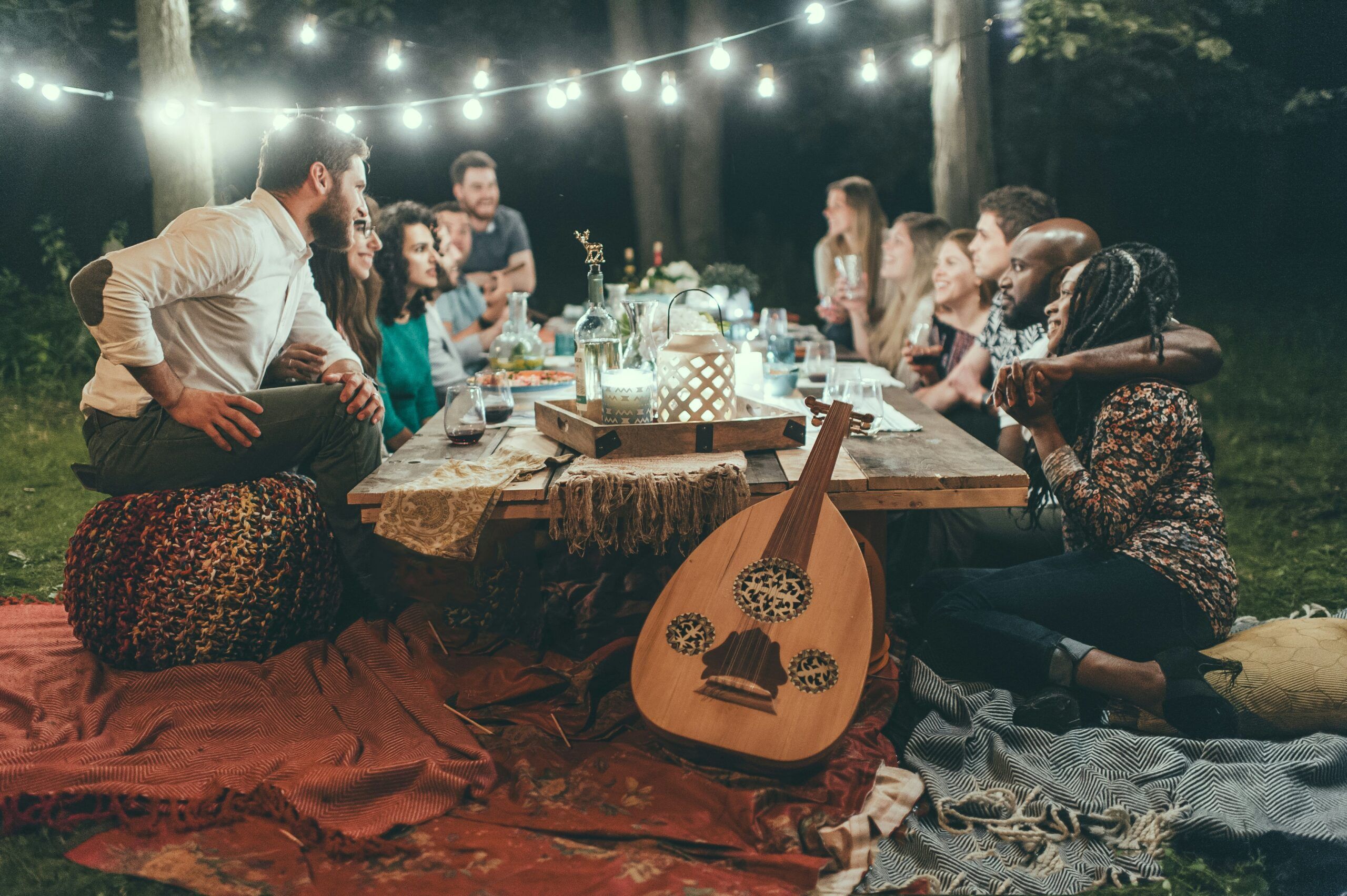
For many people, the difficulty isn’t a lack of effort, confidence, or social skill. It’s that the environment for building friendships has quietly changed- often in ways we don’t fully notice.
Making friends as an adult doesn’t feel broken because you are broken.
It feels broken because many of the systems that once supported friendship no longer work the same way.
Here are some of the biggest reasons why.
1. Social media creates the illusion of connection
Social media keeps us aware of people, but not necessarily close to them.
We see updates, photos, milestones, and opinions. We know what people are doing — sometimes in great detail. But that visibility can quietly replace real interaction.
It becomes easy to think:
- “I already know what they’re up to.”
- “We’re still connected.”
- “I’ll reach out eventually.”
At the same time, social media absorbs enormous amounts of time and attention- time that could otherwise be spent building relationships through actual presence.
The result is a strange tension: we feel socially surrounded, yet emotionally distant.
2. Remote and hybrid work reduce repeated interaction
Friendship rarely forms from a single interaction.
It forms from repetition.
Earlier in life, we were placed around the same people day after day, often without trying. Shared routines created familiarity, and familiarity created connection.
Remote and hybrid work disrupt that rhythm.
When you see someone once a week or once every few weeks, conversations often stay polite and surface-level. There isn’t enough shared context for relationships to deepen.
This isn’t a failure of personality.
It’s a failure of frequency.
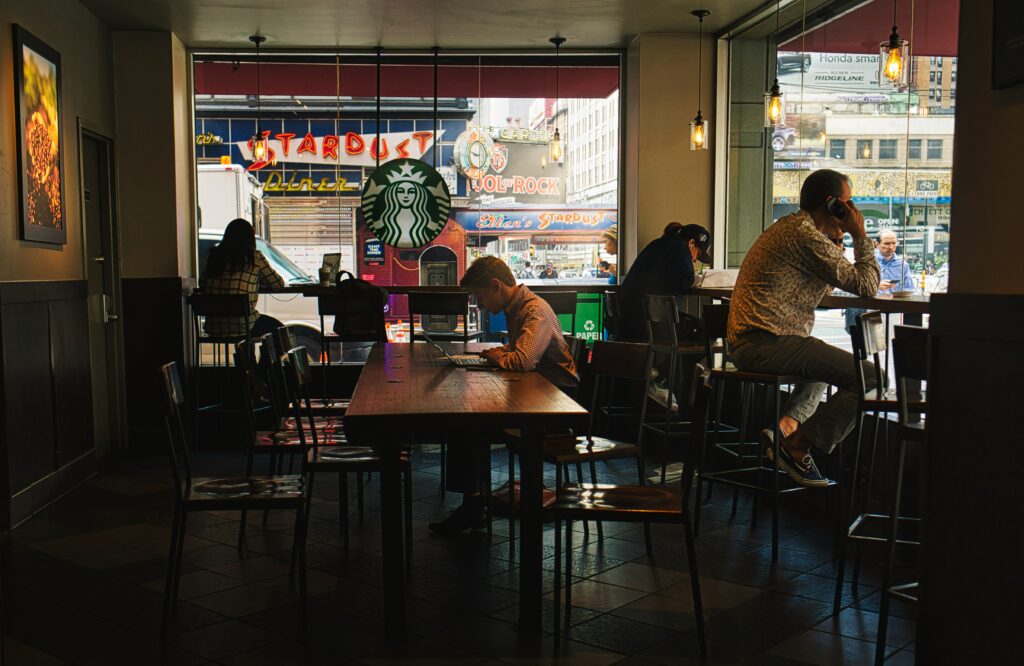
3. The decline of “third spaces”
A third space is a place that isn’t home (your first place) or work (your second place).
Good third spaces are:
- easy to access
- low-cost or free
- welcoming
- places people return to regularly
Historically, these included local cafés, parks, libraries, community centers, malls, and places of worship.
Many of these spaces have disappeared, become commercialized, or lost their social role altogether. Without them, people are left with only two modes of life: private and productive.
Friendship struggles when there’s nowhere casual and shared for it to live.
4. Adulthood compresses time and energy
Earlier in life, friendship was built into our routines.
As adults, friendship becomes something we’re expected to schedule, plan, and fit around responsibility. Careers, commutes, relationships, family obligations, and parenthood all shrink the margin for social energy- not just for us, but for everyone we might want to connect with.
Even when the desire for friendship is there, the capacity often isn’t.
This can make social effort feel heavy or forced, even when intentions are good.
5. We carry past experiences with us
As adults, we don’t show up socially as blank slates.
We bring:
- friendships that faded
- conflicts that hurt
- moments of rejection
- periods of loneliness that left a mark
These experiences shape how open we are, how quickly we trust, and how much emotional risk we’re willing to take.
None of this means we’re closed off- only more cautious.
And caution, while understandable, can slow connection.
What this means moving forward
If making friends feels harder than it used to, it’s not because you suddenly forgot how to connect.
It’s because opportunities are fewer, interactions are less frequent, shared spaces are shrinking, time is tighter, and emotional history is heavier.
Understanding this matters.
Because once we see why friendship feels broken, we can stop blaming ourselves — and start approaching connection with more intention.
That’s what this site is about.
Not forcing friendships.
Not memorizing lines.
But learning how to create opportunity, consistency, and space for connection again- even in adulthood.
Cheers,
Ry
If you’re new here, you can read the welcome post or explore the rest of the blog.